

Probate In California
Probate in California
The death of a loved one is an emotionally challenging time for families. You may have questions about what’s next if your loved one died without a Will or estate plan, effectively dying intestate. You may wonder if you or another family member has been named as the Executor of your loved one’s Will or if you are entitled to an inheritance. And, in some cases, you may be concerned about a Will that you think you may need to be contested.
Navigating the complicated maze of the California Probate court system to settle a loved one’s estate can make a difficult time even more strenuous and overwhelming, but help is available.
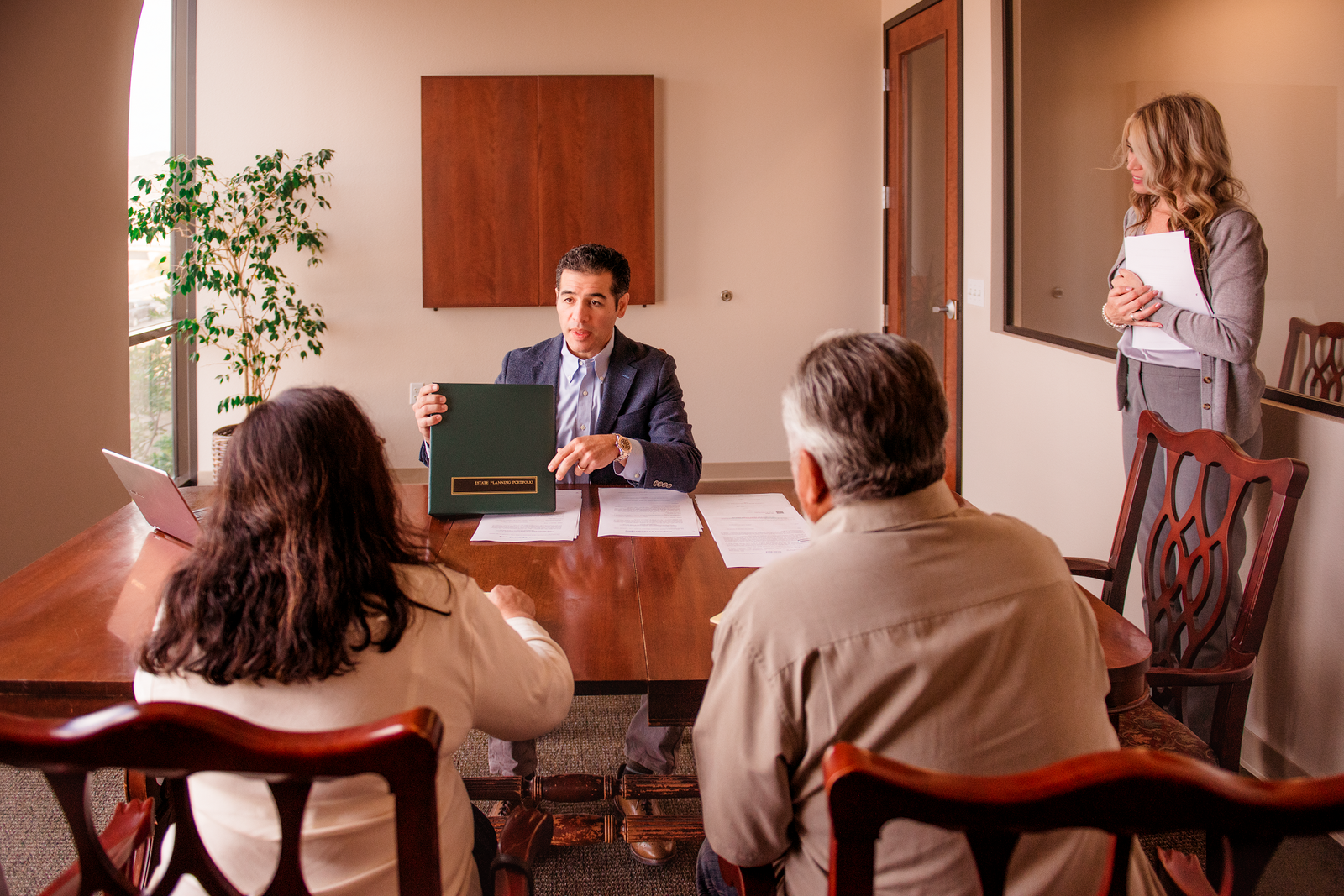
How Does Probate in San Diego, California Work?
Probate is the court-supervised legal process of transferring the assets of a deceased person to their heirs or beneficiaries. When there is will involved, it ensures the deceased person’s wishes are carried out and their debts are paid.
In California, Probate is a time-consuming process that averages out to around nine to 18 months. The cost of Probate will vary depending on the size and complexity of the estate. And, regardless of size, it’s expensive!
Use our Probate Calculator to estimate your probate costs.
In California, Probate is required if the deceased person’s estate is worth more than $208,850 (2026). Estates under this threshold have some small estate alternatives to the court probate process.
All Probate proceedings have some elements in common. During Probate, a deceased person’s property will be taken over and managed by a Personal Representative appointed by the court or the Executor named in a Will. This person will use the Probate property to pay off any remaining debts of the deceased person and distribute what remains of that property to its new owners or heirs.
How the Probate Process Can Vary
Probate without a Will:
When a person dies without a will, their property will be distributed according to pre-determined formulas set by California state intestacy laws. Probate then involves naming a Personal Representative, identifying the person’s heirs, paying off any remaining debts, and transferring the person’s property to those heirs.
Probate with a Will:
If a person dies with a valid Will, his or her property will be distributed according to what the Will says. The people named as beneficiaries in the Will must go to court and prove the Will is valid. The estate must pay off any remaining debts using the deceased person’s property before the beneficiaries can receive it.
Probate with a Trust:
Probate may play a role even when there is an estate plan using a Living Trust. People don’t always transfer all of their property into their Living Trusts while they are alive, which leaves some of their assets to be transferred to the Trust via a pour-over Will.
Ancillary Probate:
Many people who live outside of the state still own real estate in California. When those people die, they not only undergo probate in the place where they live but also in California due to their real estate. The converse is true for Californians with property in other states.
Can I Avoid Probate in San Diego, CA?
There are some ways to avoid Probate in California. One way is to have a funded Living Trust as part of your Holistic Estate Plan. A Living Trust is a legal document that allows you to transfer your assets to the trust while you are still alive. Since the assets are in a trust, they will not go through Probate after you die.
How Can the California Probate Lawyers at Legacy APC Help?
If you’ve recently lost a loved one and need to go through Probate, it’s essential to consult with an experienced Probate or estate planning attorney.
At Legacy APC, our goal is to ensure surviving families don’t ever have to endure the Probate process alone. We provide experienced legal guidance from the beginning through the end, making the Probate process simpler and providing you with peace of mind during an already trying time. For assistance, request your free 15-minute probate consultation here.